Available courses

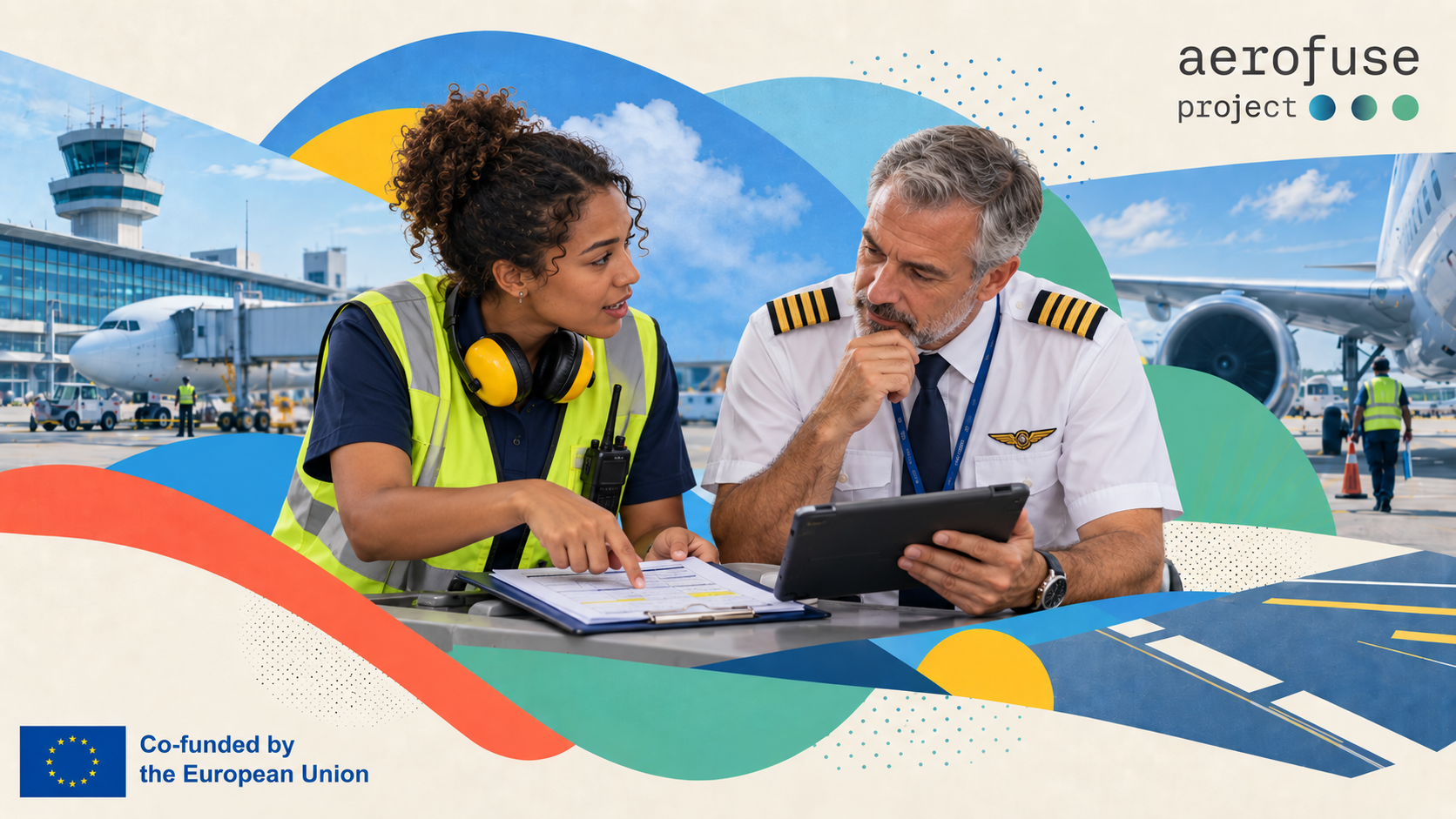
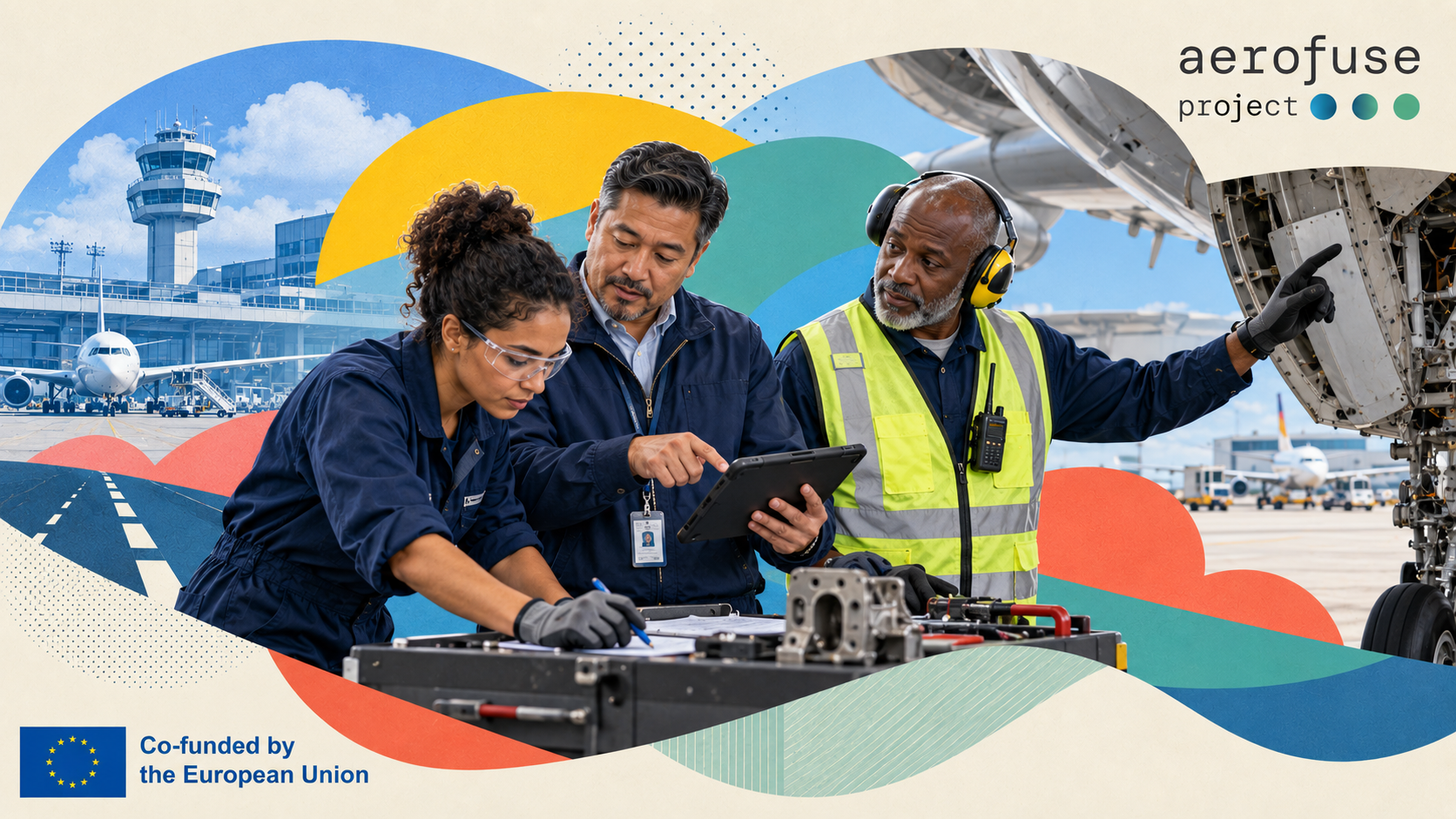
This course teaches prospective technicians involved in aircraft maintenance and operations the critical impact of human factors on aviation safety, efficiency, and error management. It aims for students to internalize a "safety culture" in maintenance operations by comprehending the relationships between human performance, the physical and social environment, communication, and workplace hazards.

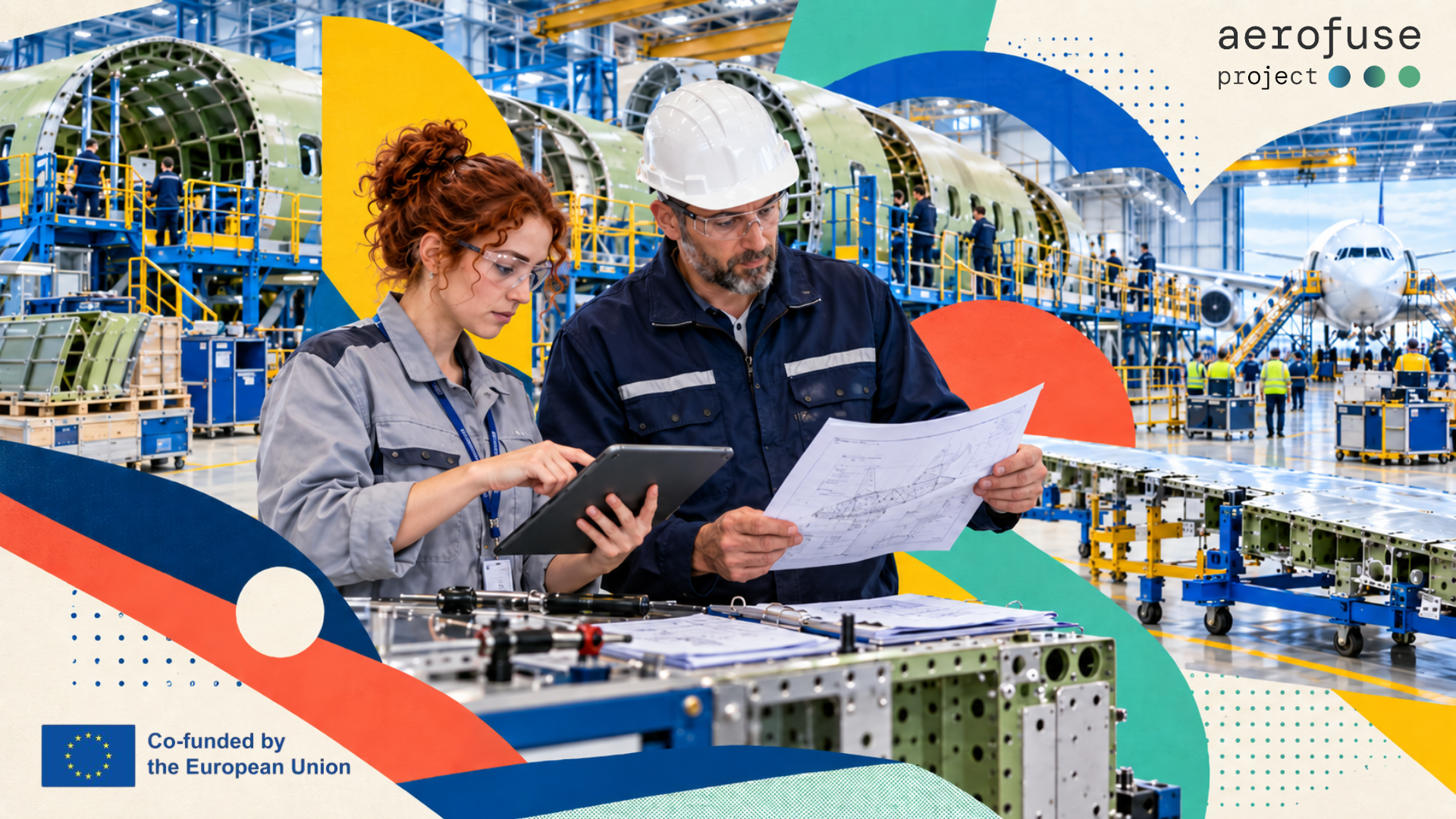
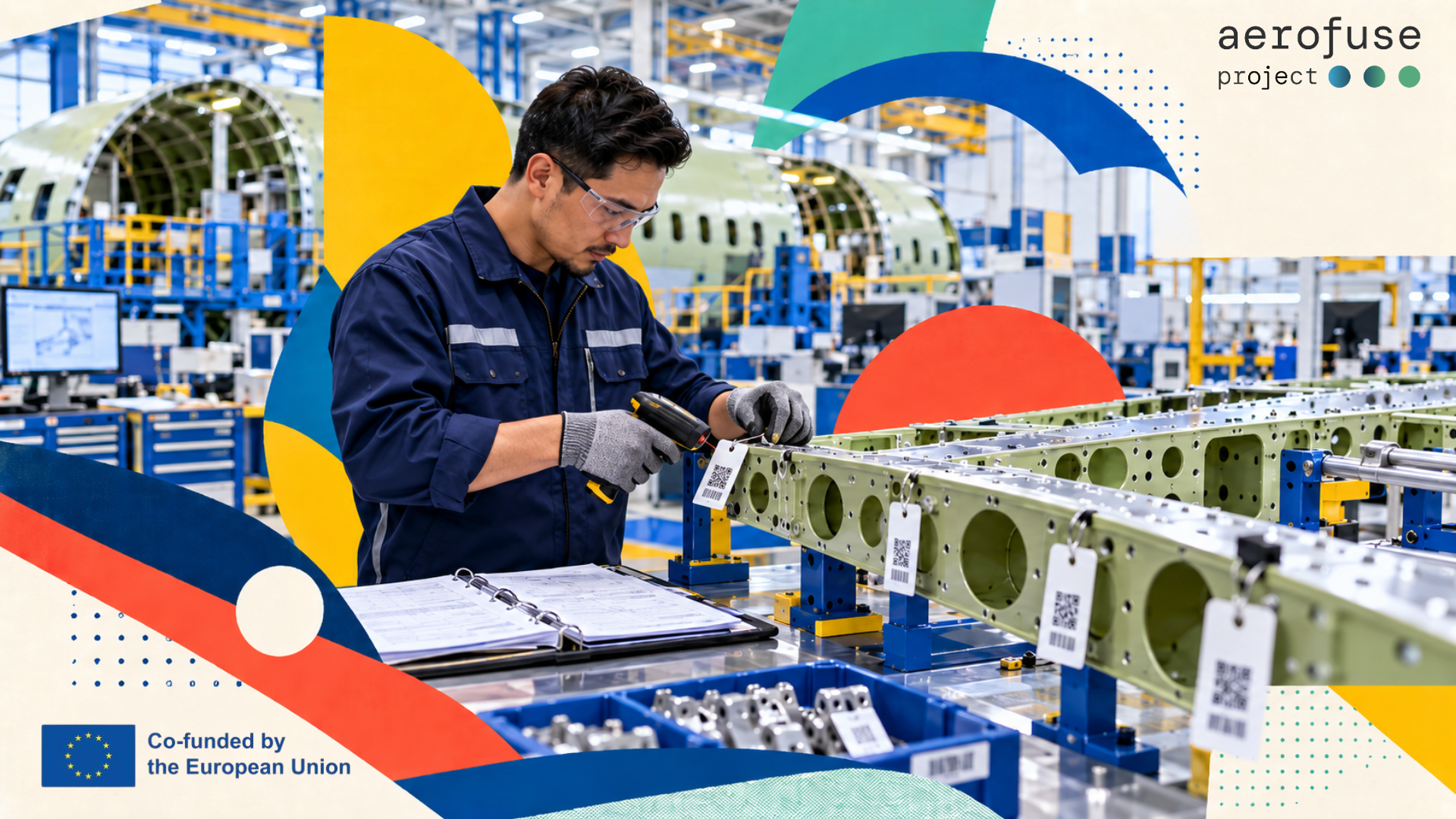
An introductory microcourse explaining how an aircraft is built, from incoming parts through sub-assembly and final assembly to inspection and delivery. Learners see how shopfloor roles depend on each other and how work packs and travellers control build progression. Based on general aircraft manufacturing practice. Self-paced AI-powered adaptive learning, online. 

An introductory microcourse on what a healthy safety culture looks like in everyday aviation work. Learners explore the difference between just culture and blame culture, why reporting errors and near misses matters, and why speaking up and challenging unsafe behaviour is expected. Self-paced AI-powered adaptive learning, online. 

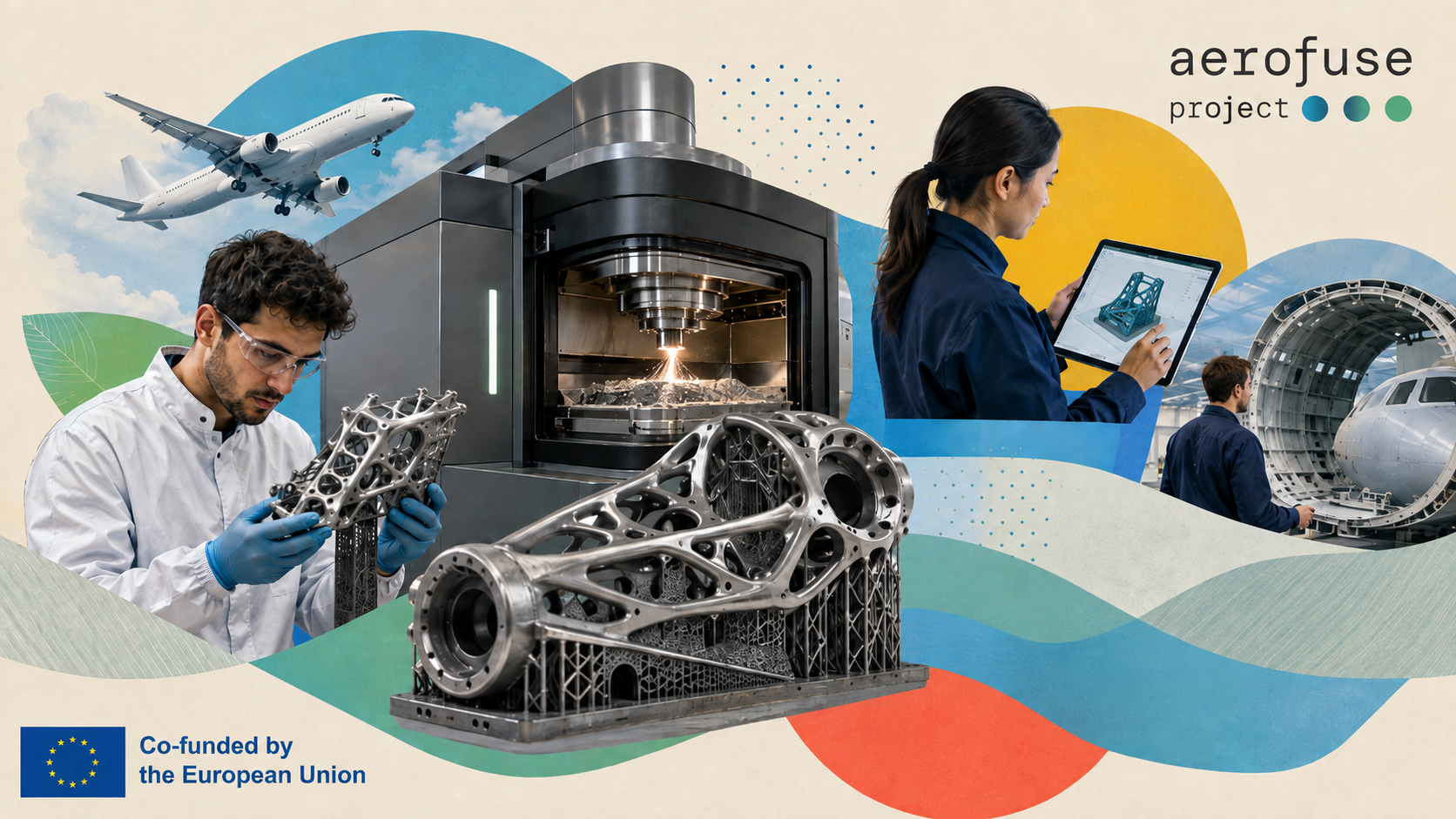
Aligned with EQF Level 5, this online course addresses the strategic role of Additive Manufacturing (AM) in advancing the aerospace sector's green and digital transition through lightweighting and manufacturing efficiency. Learners acquire essential knowledge in workshop safety protocols for reactive metal powders and engineering polymers, alongside practical digital slicing and support structure optimization. The core focus is placed on critical post-processing operations, including part separation (wire EDM/sawing), thermal stress relief heat treatments, and advanced surface finishing techniques.

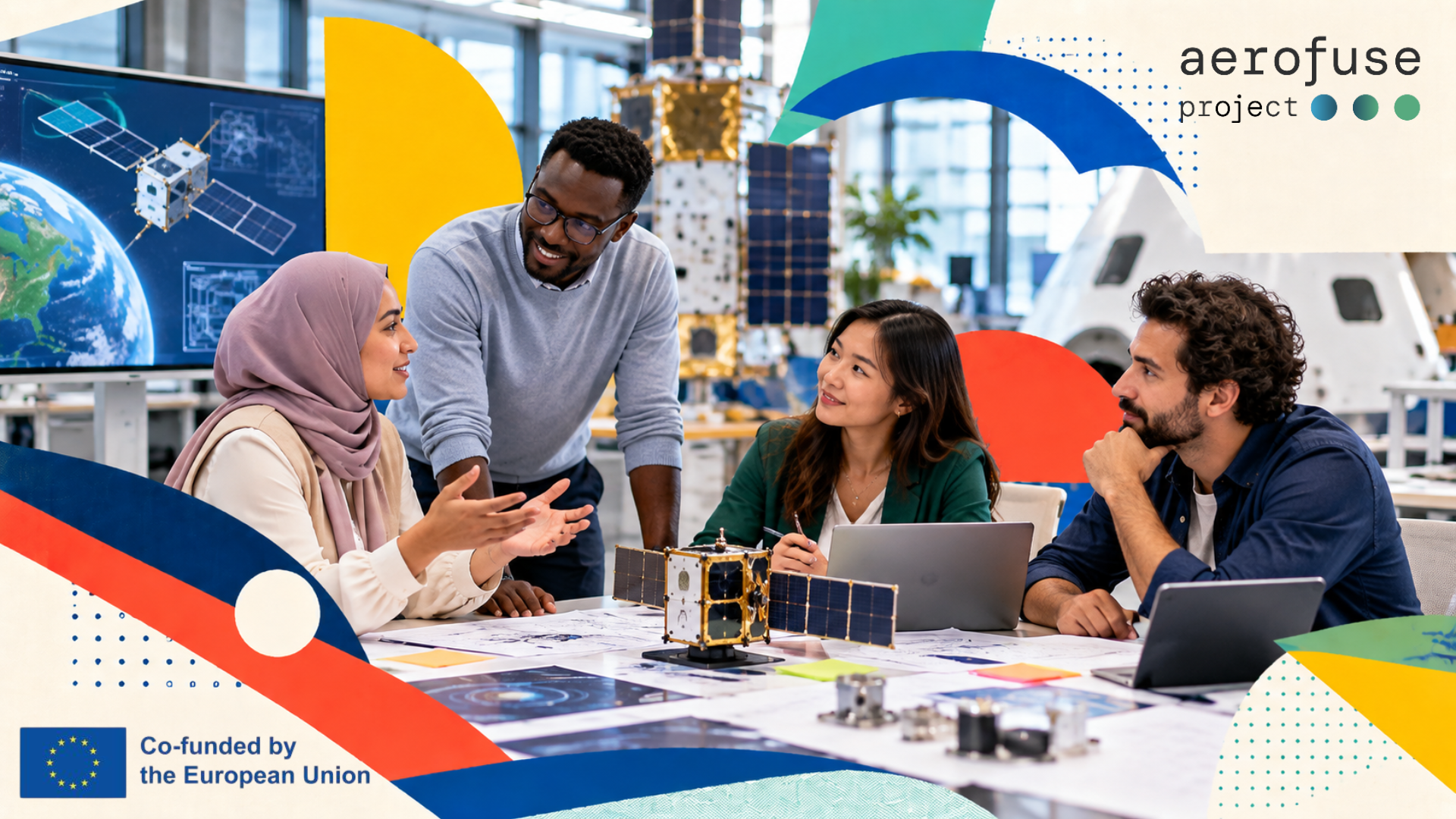
Today's (aero)space brings together people with diverse backgrounds, expertise, experiences, and ways of thinking. While diversity can drive innovation, problem-solving, and resilience, it can also create challenges for communication, collaboration, and decision-making. Drawing on both research and real-world examples, this introductory course explores when diversity becomes an advantage, when it can create friction, and how inclusive practices help teams perform at their best. Participants will gain practical insights and tools to build stronger, more innovative, and more inclusive organizations 

Soft skills are a key factor in achieving high professional performance. This course explores how competences such as cognitive flexibility, intellectual curiosity and critical thinking help improve decision-making, adaptability and effectiveness at work.

An introductory microcourse explaining why aerospace quality standards are so strict and how part identification and batch/serial traceability work. Learners understand why complete and accurate records are a compliance requirement and what happens when they are missing. Aligned with aerospace quality management principles. Self-paced AI-powered adaptive learning, online. 

An introductory microcourse on the human factors that most often lead to errors in aviation maintenance and operations. Using the Dirty Dozen framework, learners learn to recognise error traps such as distraction, complacency, pressure and fatigue, and to understand how situational awareness breaks down.  Self-paced AI-powered adaptive learning, online. 

This course provides a brief introduction to the management of European-funded projects. Participants will learn how projects are structured, governed, monitored and reported, while gaining an understanding of key concepts such as Work Packages, Deliverables, Milestones, KPIs, risk management, communication, exploitation and sustainability. Participants will have access to introdutory material for full project lifecycle, from proposal approval to project closure and long-term impact.